

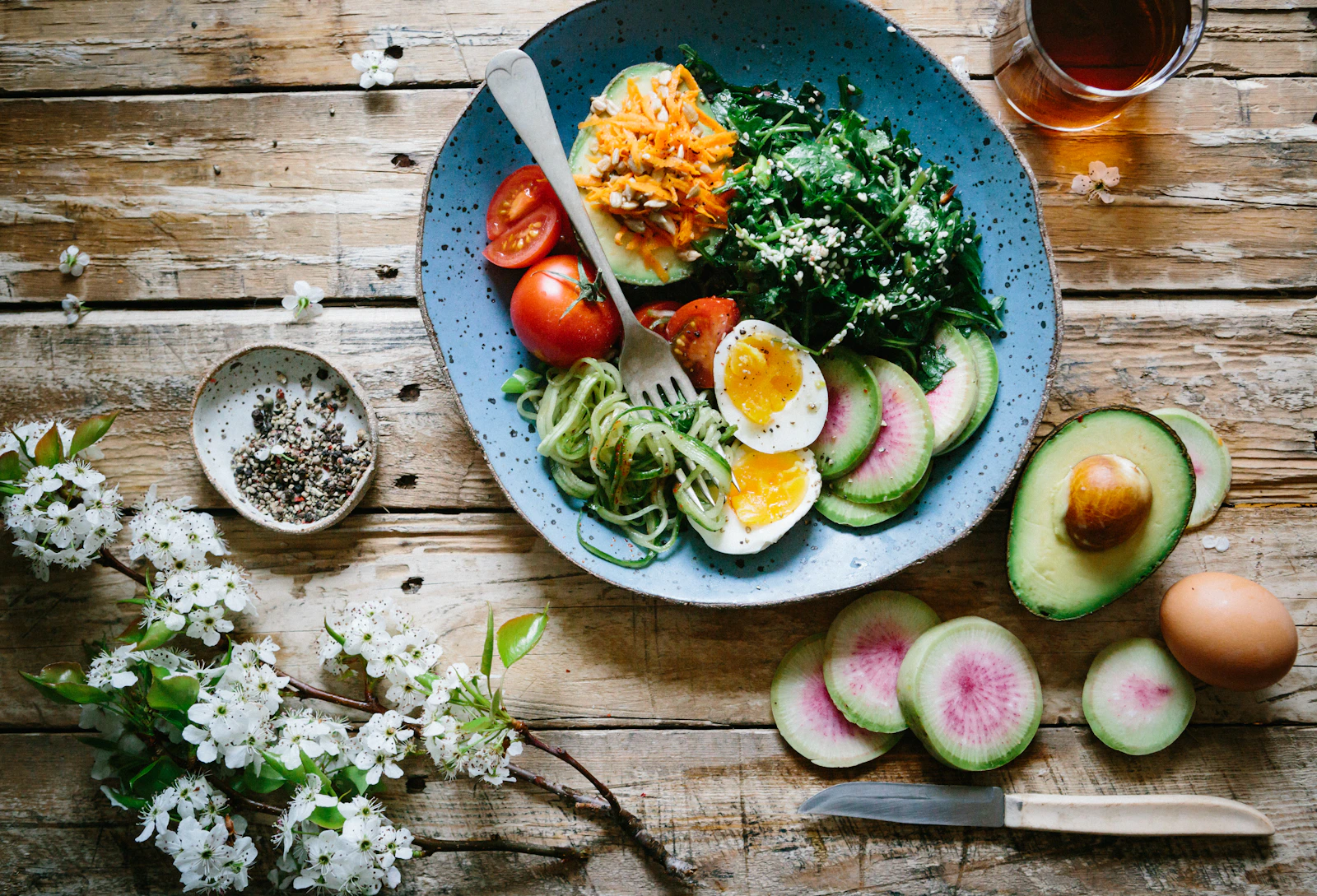
I Eat Healthy All Week, But I Have No Idea Why I'm Still Not Losing Weight.
If you've ever looked at the scale and thought, "What am I doing wrong?" you're definitely not alone.
Maybe you're eating salads. You're choosing better foods. You're drinking more water. You're trying to avoid junk food. Maybe you're even exercising.
And yet the number on the scale barely moves.
That's one of the most frustrating parts of trying to lose weight: you can genuinely feel like you're doing everything right and still not understand why the results aren't showing up.
Before you assume your metabolism is "broken," your diet has failed, or you need another extreme weight-loss plan, it's worth stepping back and looking at the bigger picture.
Weight loss isn't determined by whether a food has the word healthy on the label. Portion sizes, calorie density, drinks, snacks, activity, sleep, consistency, water retention and even how you're measuring progress can all change what you see.
And sometimes the problem isn't that you're making no progress. It's that you're measuring the wrong thing.
First: Which One Sounds Like You?
Before changing your entire diet, see if any of these sound familiar:
- "I eat pretty healthy, but my portions might be bigger than I realize."
- "I eat great Monday through Friday, then weekends get away from me."
- "I don't really track what I'm eating because I know my food is healthy."
- "I exercise, but I don't move much the rest of the day."
- "The scale isn't moving, so I assume nothing is working."
- "I snack on healthy foods, but I'm constantly eating."
- "I don't know exactly how many calories are in my meals."
- "I've tried several diets and keep ending up back where I started."
If even one of those sounds familiar, don't panic. It gives you somewhere to start.
Healthy Food Can Still Add Up to a Lot of Calories
This is probably one of the biggest misunderstandings in weight loss.
Foods can be nutritious and still contain a significant amount of calories. Nuts, nut butters, avocado, olive oil, cheese, granola and other nutrient-dense foods can all fit into a healthy diet—but portions still matter.
A meal doesn't become "free" from calories simply because the ingredients are healthy.
The Question to Ask
Instead of asking only: "Is this healthy?"
Also ask: "How much am I actually eating?"
This is where tracking can be useful—not because you need to obsess over every bite, but because it can reveal what your normal portions actually look like.
Not Sure How Many Calories You're Actually Eating?
If you're guessing at calories, portions and nutrition information, a food-tracking app can give you a clearer picture of your habits.
Nutrinixy is worth looking at if you want a simpler way to become more aware of what you're eating. We take a closer look at the app and its premium features in our full review.
See Our Nutrinixy Review
You're Eating Healthy During the Week—but the Weekend Is Different
This one is easy to overlook.
You can have a very disciplined Monday through Friday and then unknowingly erase much of that weekly deficit with restaurant meals, drinks, desserts, takeout, larger portions or frequent snacks over the weekend.
That doesn't mean you need a miserable weekend or that you can never enjoy yourself. The bigger issue is awareness.
Monday–Friday
- Healthy breakfast
- Planned lunch
- Reasonable dinner
- More water
- Fewer snacks
Saturday–Sunday
- Restaurant breakfast
- Large lunch
- Takeout dinner
- Alcohol or sugary drinks
- Extra snacks and desserts
You don't have to eliminate weekends. You just need to understand what actually happens during them.
You're Eating "Healthy Snacks" All Day
Another common trap is assuming that because a snack is healthy, it doesn't matter.
But a handful of nuts, a smoothie, protein bar, spoonful of peanut butter, granola or several small snacks can quietly turn into a substantial amount of additional food.
The solution isn't necessarily to stop snacking. It's to determine whether the snacks are actually helping you—or simply adding calories you weren't accounting for.
You're Exercising—but Not Moving Much the Rest of the Day
You might work out for 30 or 45 minutes and then spend the rest of the day sitting at a desk, in the car or on the couch.
Exercise is valuable, but it doesn't automatically compensate for being inactive for the majority of your day.
This is one reason simple activities such as walking can be useful. You don't necessarily need an elaborate workout every time you want to move more.
You Don't Need a Huge Home Gym
One of the biggest mistakes beginners make is buying too much equipment. The better approach is to choose a few versatile pieces that you'll actually use.
Our home-gym guide looks at practical equipment such as adjustable dumbbells, resistance bands, exercise mats and walking pads, with an emphasis on starting small and building around your actual goals.
See the Home Gym GuideYou're Looking Only at the Scale
This one deserves special attention.
If you're exercising consistently, especially strength training, changes in body composition may not always show up immediately as a dramatic change in body weight.
You might notice your clothes fitting differently. You might be getting stronger. Your waist measurement might change. Your body composition may change.
If you're looking only at the scale, you can mistake "slow progress" for "no progress."
What If the Scale Isn't Telling the Whole Story?
We took a closer look at the Alcedo Smart Body Fat Scale after realizing how easy it is to focus entirely on the number on the bathroom scale.
The bigger lesson is simple: having more information can make it easier to understand what is actually happening.
Read Our Smart Scale Reality CheckYou're Drinking More Calories Than You Realize
Food gets most of the attention, but drinks can quietly add up.
Sweetened coffee, soda, energy drinks, alcohol, smoothies and other beverages can contribute meaningful calories without making you feel as full as a meal.
Try looking at everything you drink for several days. You may discover something you weren't even thinking about.
For one week, write down every calorie-containing beverage you consume. Don't change anything yet. Just observe.
Your "Healthy" Meals Aren't Keeping You Full
A meal can look healthy and still leave you hungry an hour later.
If you're constantly hungry, you may end up grazing between meals. Building meals around protein, vegetables, fiber-rich foods and reasonable portions can make a healthy eating pattern easier to maintain.
The goal shouldn't be to see how little you can eat. The goal is to create a routine you can actually live with.
You're Expecting the Scale to Drop Every Week
Weight doesn't behave like a perfectly straight line.
Day-to-day changes can be affected by things such as fluid retention, food volume, sodium intake, bowel movements and other normal fluctuations.
That means one weigh-in can tell you very little by itself.
Instead of reacting emotionally to every number, look at the broader trend.
You're Changing Too Many Things at Once
This happens all the time.
Someone decides they're going to completely change their diet, eliminate sugar, start running, lift weights five days a week, drink several supplements, fast and track every calorie—all on Monday morning.
It feels productive. But it can be incredibly difficult to maintain.
A better approach is often to identify the biggest problem and fix that first.
Could a Simple Wellness Habit Help You Stay More Consistent?
Chlorophyll isn't a magic weight-loss solution—and it shouldn't be presented that way. But small habits sometimes help people build a more consistent wellness routine.
Our chlorophyll article explores the idea of using it as part of a broader hydration and wellness routine rather than treating it like a miracle product.
Explore the Chlorophyll ArticleYou're Trying to Solve a Problem That May Need More Than Diet and Exercise
Sometimes a person genuinely is making substantial lifestyle changes and still struggles with weight management.
That's when it can make sense to have a conversation with a qualified healthcare professional rather than simply jumping from one diet to another.
Certain medical conditions, medications, sleep issues and other factors can affect weight management. A healthcare professional can help determine whether something else needs to be considered.
What About Medical Weight-Management Programs?
If lifestyle changes haven't produced the results you hoped for, you may have started hearing about GLP-1 medications and online weight-management programs.
Shed is one example of an online weight-management service that connects eligible customers with healthcare professionals who evaluate whether prescription treatment may be appropriate.
This isn't something to choose simply because it's popular or because someone else had success with it. Eligibility, medical history, medications and other factors matter.
Read Our ShedRx ReviewSo Why Aren't You Losing Weight?
Here's the frustrating answer: there may not be one single reason.
It could be a combination of several small things.
| What You Notice | What May Be Worth Checking | Possible First Step |
|---|---|---|
| "I eat healthy." | Portions and total intake | Track meals for several days |
| "I exercise." | Daily movement outside workouts | Add more walking or activity |
| "The scale isn't moving." | Other progress measurements | Track trends and body measurements |
| "I'm always hungry." | Meal composition and satiety | Review protein, fiber and meal structure |
| "I do great during the week." | Weekend habits | Look at the entire seven-day pattern |
| "I've tried everything." | Consistency and underlying factors | Talk with a healthcare professional |
Try This 7-Day Reality Check Before Starting Another Diet
Before buying another supplement, starting another restrictive diet, or completely changing your routine, try something much simpler.
For seven days, simply observe:
- Everything you eat
- Everything you drink
- Your approximate portions
- Your snacks
- Your daily steps or activity
- Your workouts
- Your sleep
- Your morning weight, if you choose to track it
- How hungry you feel throughout the day
- How you feel physically and mentally
Don't try to make the week perfect. The point is to collect information.
Once you can actually see your habits, you have something to work with.
What You Probably Don't Need to Do
Don't Panic
A few days without scale movement doesn't mean your efforts aren't working.
Don't Starve Yourself
Extremely restrictive approaches can be difficult to maintain and aren't automatically better.
Don't Buy Everything
You don't need a kitchen full of gadgets or an expensive home gym to start making progress.
Don't Chase Every Trend
A new supplement or viral diet isn't necessarily the missing piece.
A Simpler Way to Approach Weight Loss
Instead of asking:
"What's the newest weight-loss product?"
Try asking: "What is the biggest obstacle in my routine right now?"
If the problem is food awareness, work on tracking.
If the problem is portions, measure them for a while.
If the problem is inactivity, find a form of movement you actually enjoy.
If the problem is motivation, find a way to make progress visible.
If the problem is persistent difficulty despite genuine effort, consider talking with a healthcare professional.
Four Tools That Can Help You Find Your Missing Piece
1. Track What You're Eating
If you're unsure about calories, portions or nutritional intake, a food-tracking tool can help turn guessing into information.
Explore Nutrinixy2. Measure More Than Weight
If you're frustrated by the scale, consider tracking additional measures and looking at trends rather than one number.
See the Smart Scale Review3. Make Exercise Easier
You don't need a giant gym. A few versatile pieces can make it easier to stay active at home.
Explore Home Gym Equipment4. Research Medical Options
If you're struggling despite serious efforts, medical weight-management options may be worth discussing with a qualified healthcare professional.
Read the ShedRx ReviewStop Guessing. Start Finding the Actual Problem.
You don't necessarily need another diet. You may simply need to understand what is happening in your current routine.
Start with one problem. Measure it. Make one change. Then see what happens.
Start With Food Tracking Look Beyond the ScaleFrequently Asked Questions
Why am I not losing weight if I'm eating healthy?
Healthy food choices are important, but weight change is influenced by total energy intake, activity and many other factors. Portion sizes, snacks, beverages and weekend eating can all be worth examining.
Can you eat healthy and still gain weight?
Yes. Nutritious foods can still contain calories, and eating more energy than your body uses over time can prevent weight loss or contribute to weight gain.
Why does my weight stay the same even when I'm exercising?
Exercise doesn't guarantee a lower scale weight every week. Changes in body composition, water retention, food intake and normal fluctuations can affect what the scale shows.
Should I track calories?
Tracking isn't necessary for everyone, but it can be useful if you don't have a clear idea of how much you're eating. Even a short period of tracking can help reveal patterns.
Do I need a home gym to lose weight?
No. Walking, bodyweight exercise and many other forms of activity can be useful. Home equipment can simply make exercise more convenient for some people.
What if I've tried everything and still can't lose weight?
If you're consistently making healthy changes and are still struggling, consider speaking with a qualified healthcare professional. They can help evaluate whether medications, medical conditions or other factors could be involved.
The Bottom Line
If you're eating healthy all week and still not losing weight, don't automatically assume you've failed.
You may simply be missing a piece of the puzzle.
Maybe you're eating more than you realize. Maybe your weekends look completely different from your weekdays. Maybe you're not moving as much as you think. Maybe the scale isn't showing the progress you're actually making. Or maybe there's another factor worth discussing with a healthcare professional.
The answer isn't always another diet.
Sometimes the smartest thing you can do is stop guessing and start collecting better information.
Find the biggest problem. Work on that one thing. Give it time. Then reassess.
That's a lot more sustainable than starting over every Monday.


