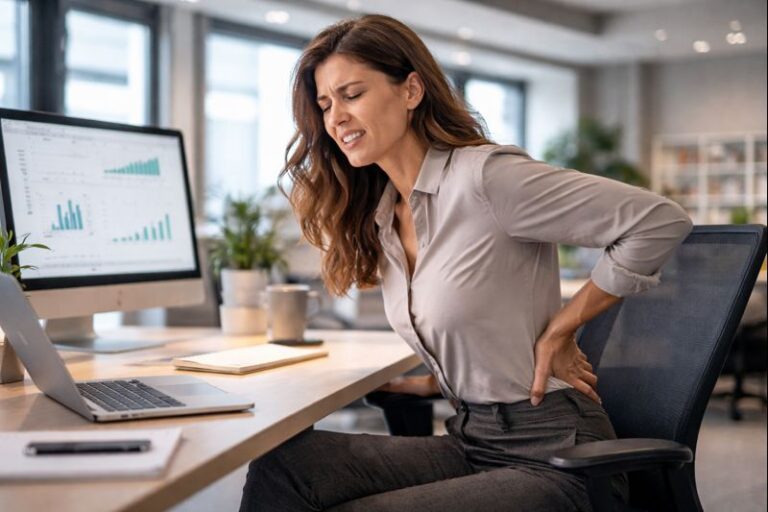
This isn’t just “part of getting older.” It’s a posture and desk setup problem—and it’s one of the fastest-growing health issues in the remote-work era.
The good news? You don’t need expensive treatments or weeks of physical therapy. The best tools can dramatically reduce desk pain starting today.
This guide breaks down the best products for bad posture and desk pain, why they work, and which ones give the biggest relief for your money.
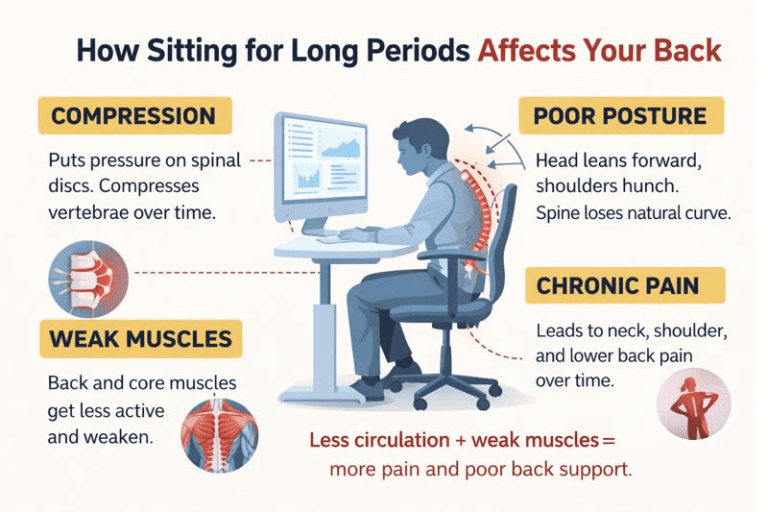
Why Bad Posture Causes Desk Pain
Poor posture happens when:
Your screen is too low
Your chair lacks lumbar support
You sit for long periods without movement
Over time, this leads to:
Forward head posture (neck strain)
Rounded shoulders (upper back pain)
Compressed spine (lower back pain)
Left unchecked, these issues become chronic—and expensive.
That’s why posture correction and desk pain relief products are in such high demand.
Best Products for Bad Posture & Desk Pain On Amazon (That Actually Work)
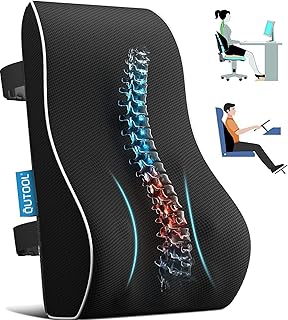
1. Lumbar Support Cushions ( First Choice)
Best for: Lower back pain, slouching, long sitting sessions
Most office chairs don’t support the natural curve of your spine. A lumbar support cushion fixes that instantly.
Benefits:
Encourages proper spinal alignment
Reduces pressure on discs
Prevents slouching without effort
This is one of the fastest ways to feel relief—often the same day.
If your lower back aches after sitting for 30–60 minutes, your chair isn’t supporting your spine. A lumbar support cushion restores the natural curve of your lower back instantly—no exercises required.
People aren’t buying “products.” They’re buying comfort, productivity, and quality of life.
Fix Your Setup, Fix Your Pain
Bad posture and desk pain don’t mean something is wrong with your body. They mean your workspace isn’t supporting you.
The right tools can:
Reduce pain
Improve posture
Increase focus
Make workdays more comfortable
Start with one upgrade—and build from there.
.
These products are used by remote workers, office professionals, and creators who spend hours at a desk. Always follow manufacturer instructions and consult a professional for medical conditions.
Popular Picks You’ll Love
Penetrex provides targeted support for common problem areas including lower back, stiff neck, achy knees, shoulder tension, and hand soreness.
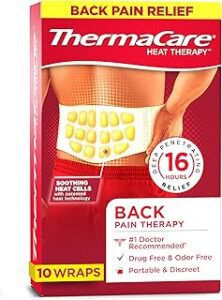
Targeted relief where you need it most: Specifically designed to ease muscle aches, arthritis, and chronic lower back pain with focused, soothing heat that works quickly and lasts
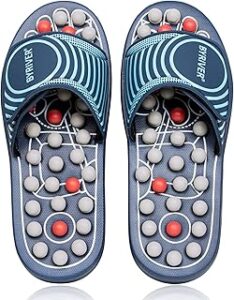
Regular use of this foot massage tool helps improve circulation and aids in relieving lower back pain, migraines, and foot pain associated with plantar fasciitis, arthritis, and neuropathy.
Our Maximum Strength Sciatica Cream helps nourish and target areas of discomfort for long-lasting comfort and soothing….
FAQ
What causes desk back pain from sitting?
Desk back pain is usually caused by sitting for long periods with poor posture, lack of lower back support, and improper screen height. Over time, this puts stress on the spine, neck, and shoulders, leading to pain and stiffness.
What are the best tools to relieve desk back pain?
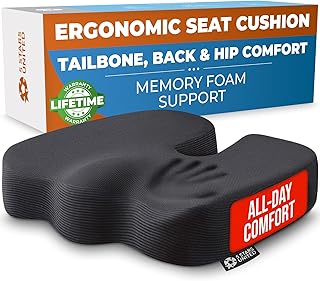
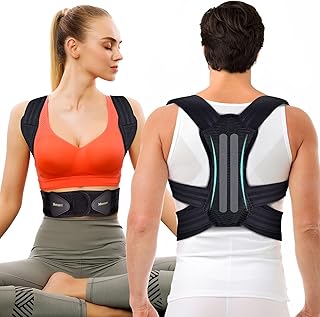
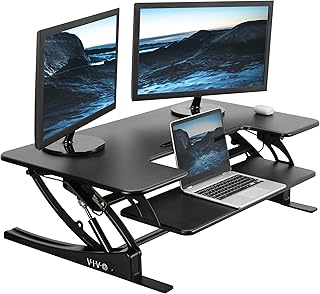
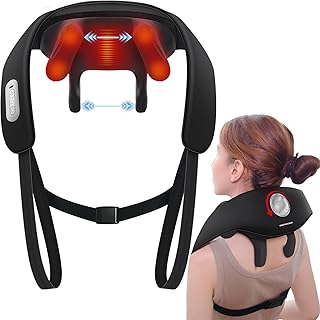
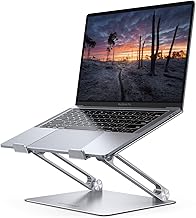
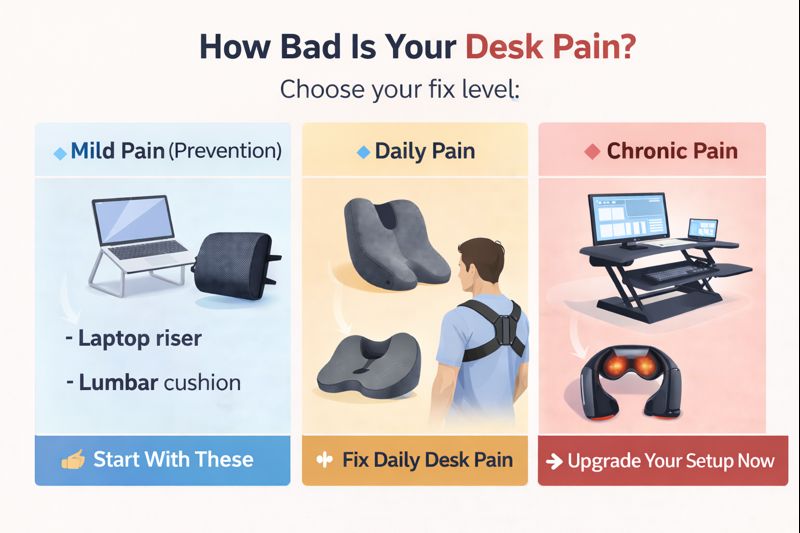
The most effective tools include lower back support cushions, seat cushions, laptop risers, posture trainers, standing desk converters, and neck massagers. These tools help improve posture and reduce pressure while working at a desk.
Do lower back support cushions actually work?
Yes. Lower back support cushions help maintain the natural curve of the spine, reduce slouching, and ease pressure on the lower back, making them one of the simplest and fastest ways to reduce desk pain.
Is a standing desk necessary to fix desk pain?
A standing desk is not required, but alternating between sitting and standing can significantly reduce back pain. Standing desk converters are an easy way to improve comfort without replacing your entire desk..
How can I prevent desk pain before it becomes chronic?
You can prevent desk pain by improving posture early, using proper back and seat support, raising your screen to eye level, taking short movement breaks, and using tools designed to support your body during long desk sessions..
What These Products Can and Can’t Do
Ergonomic accessories may improve comfort and posture habits, but they are not a cure for underlying medical conditions or injuries.