

How I Finally Stopped Snoring at Night and Started Sleeping Better
A personal story about the search for quieter nights, happier mornings, and a better night's sleep.
What started as a nighttime annoyance became something I wanted to fix. Here is what I tried, what I learned, and the products I explored along the way.
Read My Story ↓
A Little Background
For years, I didn't think much about my snoring. To me, I was just sleeping. But to my wife, it was a different story.
The noise was loud enough to wake her repeatedly. Some nights, she even moved to the couch just to get some peace and quiet.
Even when I slept through the night, I sometimes woke up feeling tired and groggy. That's when I realized I needed to do something about it.

What I Learned About Snoring
Snoring happens when airflow becomes restricted during sleep. Soft tissues in the nose or throat vibrate as air passes through a narrowed airway.
There isn't one cause for everyone. Several things can contribute.
Why Snoring Happens
Sleeping on Your Back
This position can make snoring worse for some people by allowing tissues to narrow the airway.
Nasal Congestion
Allergies and a blocked nose can make nasal breathing more difficult.
Alcohol Before Bed
Alcohol can relax airway muscles and worsen snoring in some people.
Airway Anatomy
The structure of the jaw, tongue and throat can affect airflow during sleep.
Weight Changes
Excess tissue around the neck can contribute to airway narrowing in some people.
Sleep Conditions
Persistent loud snoring can sometimes accompany obstructive sleep apnea.
For more information, read this guide to snoring causes and possible solutions.
The Impact on Our Nights
Snoring wasn't just an annoying noise. It affected both of our nights.
My wife wasn't getting the rest she needed, and I often felt tired during the day. It was frustrating because sleep should be the time when you recharge.
- Repeated nighttime disturbances.
- Feeling tired in the morning.
- Difficulty concentrating during the day.
- Frustration between partners.
What I Tried First
I started with simple options that many people consider when they want to reduce snoring.
Nasal Strips
These can help when narrowing around the nose contributes to snoring.
Different Pillows
I looked at ways to make sleeping more comfortable and support a better position.
Changing Sleep Position
Side sleeping may help people whose snoring is worse on their backs.
These approaches did not fully solve the problem for me. I kept looking for another option.
The Mouthpiece That Caught My Attention
I came across an anti-snoring mouthpiece designed to gently move the lower jaw forward during sleep.
The idea is to help keep the airway more open. I was skeptical at first, but I decided to explore the option.
In my experience, the mouthpiece seemed to reduce my snoring, and my wife noticed quieter nights.
That was encouraging. Still, results vary, and a mouthpiece isn't right for everyone.
View the Mouthpiece on Amazon →Other Products Worth Considering
Different products work in different ways. The important thing is to choose an option that fits the likely cause of your snoring.
Anti-Snoring Mouthpiece
Some designs move the lower jaw forward to help keep the airway open.
Before buying: Check fit, cleaning instructions and possible jaw or dental side effects.
View on Amazon →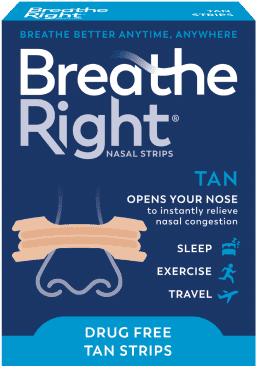 Nasal breathing
Breathe Right Nasal Strips
External nasal strips gently lift the sides of the nose and may help when nasal narrowing contributes to snoring.
Before buying: Check the size, package quantity and skin-sensitivity warnings.
View on Amazon → Compare options
Other Snoring Devices
Explore different product designs and compare their intended use, comfort and available evidence.
Before buying: Be cautious of guaranteed results and claims that a product cures sleep apnea.
Browse on Amazon →Small Changes That May Help
Products aren't the only thing worth considering. Everyday habits may also make a difference, depending on what causes your snoring.
Try Side Sleeping
Consider a comfortable position that helps you avoid sleeping flat on your back.
Address Congestion
Ask a pharmacist or healthcare professional about suitable options if allergies or nasal blockage are a problem.
Limit Alcohol Before Bed
Alcohol can worsen snoring for some people, especially when consumed near bedtime.
Keep a Regular Schedule
Consistent sleep and wake times can support healthier sleep habits.
Consider Your Overall Health
When appropriate, gradual weight management may help if excess weight contributes to airway narrowing.
Pay Attention to Symptoms
Persistent loud snoring deserves attention, especially when accompanied by other warning signs.
When Snoring May Be More Than Snoring
Snoring can sometimes be a sign of obstructive sleep apnea, a condition that causes repeated interruptions in breathing during sleep.
Speak with a healthcare professional if you or your partner notice:
- Breathing pauses during sleep.
- Gasping, choking or struggling for air at night.
- Excessive daytime sleepiness.
- Frequent morning headaches or unrefreshing sleep.
Do not assume an anti-snoring product will treat sleep apnea. A healthcare professional can determine whether a sleep evaluation is appropriate.
What I Took Away From the Experience
My search for quieter nights taught me that snoring is worth addressing, especially when it affects the person sleeping beside you.
The mouthpiece I tried seemed to help me, but everyone's situation is different. There is no single product that works for every cause of snoring.
Start with simple changes, compare suitable options carefully, and seek medical advice when symptoms suggest an underlying sleep problem.
Explore Your Sleep-Solution Options
Compare anti-snoring mouthpieces and nasal strips to find an option that suits your needs.
Explore Mouthpieces → Explore Nasal Strips →Questions Readers Often Ask
What is the best way to reduce snoring?
The best approach depends on the cause. Side sleeping may help positional snoring, and nasal treatments may help when congestion contributes. Persistent symptoms may require medical assessment.
Can an anti-snoring mouthpiece help?
Some mouthpieces reduce snoring in suitable users by repositioning the lower jaw. Results vary, and a mouthpiece does not automatically treat sleep apnea.
Do nasal strips stop snoring?
They may help when narrowing around the nose contributes to snoring. They are unlikely to resolve snoring caused by obstruction farther back in the throat.
Is snoring always a sign of sleep apnea?
No. Many people snore without having sleep apnea. However, breathing pauses, gasping or excessive daytime sleepiness should prompt medical evaluation.
Are anti-snoring products safe for everyone?
No. Mouthpieces can cause jaw or dental discomfort, while nasal strips can irritate sensitive skin. Check product instructions and consult a professional if you have concerns.
Read our Affiliate Disclosure.
Health disclaimer: This article is for general educational purposes. It does not replace professional medical advice, diagnosis or treatment.
Could Your Pillow Be Part of Your Nighttime Routine?
While exploring ways to improve sleep, I also came across the Promeed HerbalRX™ Anti-Aging Pillow. It brings a botanical-inspired concept to an everyday bedroom essential.
Its defining feature is herbal insert fiber. But as with any pillow, comfort, materials, and personal preferences should come first.
Explore the Pillow Guide →
What Makes HerbalRX Different?
Botanical-Inspired
Herbal insert fiber gives the pillow its distinctive product concept.
Your Sleep Matters
Consider pillow height, firmness, dimensions, and your preferred sleeping position before buying.
Beauty and Bedding
The product is marketed around beauty sleep and botanical-inspired wellness.

Herbal Ingredients and Product Details
Promeed's product information references ginkgo biloba, danshen, Panax notoginseng, and orange in its herbal-inspired presentation.
These ingredients help explain the product's botanical theme. However, their presence in a pillow does not establish that it prevents wrinkles, treats skin conditions, or improves snoring.
Review the seller's complete material information, especially if you have allergies or sensitive skin.
What to Check Before You Buy
- Comfort: Confirm the size, height, and firmness.
- Materials: Read the available material and ingredient details.
- Care: Check the manufacturer's cleaning instructions.
- Value: Verify current price, shipping, warranty, and return terms.
Want a Closer Look at HerbalRX™?
Visit the complete guide for more product details, features, and practical shopping considerations.
Read the Full Pillow Buying Guide →


