
“How to Set New Year’s Resolutions You Can Keep”
Every year, as the clock strikes midnight and fireworks light the sky, millions of people make the same quiet promise to themselves: This year will be different. We resolve to eat better, move more, save money, learn new skills, repair relationships, or finally chase dreams we’ve postponed for too long. New Year’s resolutions symbolize hope, renewal, and the belief that change is possible.
Yet by February, many of those resolutions fade. Gym memberships go unused, journals gather dust, and ambitious plans are replaced by familiar routines. This pattern doesn’t mean resolutions are pointless—it means we often approach them the wrong way. When done thoughtfully, New Year’s resolutions can be powerful tools for personal growth, clarity, and long-term transformation.
This article explores the true meaning of New Year’s resolutions, why they often fail, and how to create resolutions that actually stick—so this year’s fresh start becomes more than just a moment.
The Meaning Behind New Year’s Resolutions
The tradition of setting New Year’s resolutions dates back thousands of years. Ancient Babylonians made promises to their gods at the start of each year, while the Romans dedicated January to Janus, the god of beginnings and transitions. Even today, the idea remains the same: the new year represents a symbolic reset.
Psychologically, the new year acts as a “temporal landmark.” It separates the past from the future and gives us permission to let go of old mistakes. This mental reset is powerful—it motivates reflection and encourages us to imagine a better version of ourselves.
A resolution, at its core, is not just a goal. It is a declaration of identity. When you say, “I want to be healthier,” you are really saying, “I want to become someone who values and protects their health.” Understanding this deeper meaning is the first step toward lasting change.
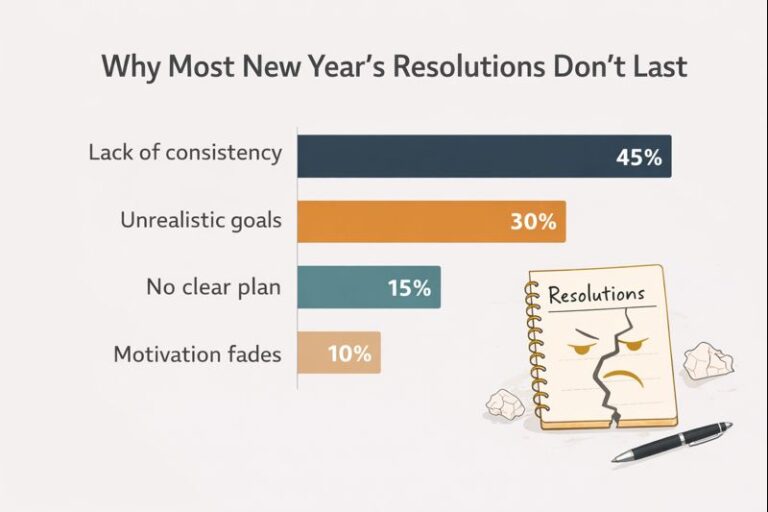
Why Most Resolutions Fail
If resolutions truly worked, people wouldn’t be resetting the same goals every January. Yet failure follows a predictable pattern.
1. They Are Too Vague
Goals like “lose weight,” “earn more,” or “be happier” don’t give the brain a clear action plan. There’s no timeline, no measurement, and no direction. When the target isn’t defined, progress can’t be tracked—and results stay random.
2. They Depend on Motivation Instead of Structure
Motivation spikes at the beginning, then fades as routines, stress, and responsibilities return. When goals rely on willpower alone, they collapse the moment enthusiasm wears off. Without daily systems and habits, good intentions don’t survive real life.
3. They’re Fueled by Guilt, Not Meaning
Many resolutions are reactions to regret—overeating, overspending, procrastinating. Goals rooted in guilt feel like punishment. When change is driven by shame instead of purpose, resistance sets in and consistency disappears.
4.They Ignore Real-World Limits
Overambitious plans—two-hour workouts, extreme dieting, drastic savings—clash with normal schedules and energy levels. Unrealistic expectations lead to burnout, missed days, and eventually quitting altogether.
Understanding why resolutions fail isn’t about giving up. It’s about rebuilding them in a way that actually works.
Recognizing these pitfalls doesn’t mean abandoning resolutions. It means redesigning them.
Turning Resolutions Into Real Results
Successful resolutions are built on strategy, patience, and self-awareness. Here’s how to create resolutions that work.
1. Start With Reflection
Before deciding what you want to change, take time to reflect on the past year.
Ask yourself:
What worked well last year?
What drained my energy?
Where did I grow?
What patterns do I want to break?
Reflection turns resolutions from random wishes into intentional choices.
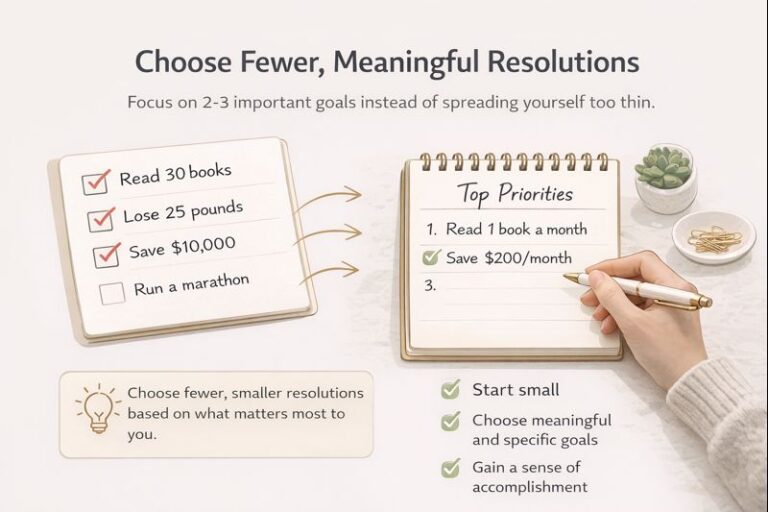
2. Choose Fewer, Better Goals
One of the biggest mistakes people make is trying to change everything at once. Real change thrives on focus. Choose one to three meaningful resolutions that align with your values.
Quality always beats quantity.
3. Make Them Specific and Action-Based
Instead of:
“Get healthy”
Try:
“Walk 30 minutes, five days a week.”
Specific actions eliminate confusion and make progress measurable.
4. Build Systems, Not Just Goals
Goals define the destination; systems define the journey. If your resolution is to save money, your system might include automatic transfers to savings. If your resolution is to read more, your system might be reading ten pages before bed every night.
Systems remove decision fatigue and make success automatic.
5. Tie Resolutions to Identity
Lasting change happens when actions align with identity.
Instead of saying:
“I’m trying to quit smoking.”
Say:
“I’m becoming someone who doesn’t smoke.”
When behavior reflects identity, consistency becomes natural.

Write Your Goals Down to Make Them Real
There’s something powerful about putting your goals on paper. Writing down your New Year’s resolutions turns vague ideas into clear intentions and gives them weight. A notebook becomes more than a page—it becomes a commitment. When you see your goals written in your own handwriting, they feel personal, tangible, and achievable. This simple act also helps organize your thoughts, clarify priorities, and create a sense of accountability. Instead of keeping goals in your head, writing them down gives you a daily reminder of what you’re working toward and why it matters.
Popular New Year’s Resolutions—and Smarter Ways to Approach Them
Health and Fitness
Health-related resolutions are among the most common—and the most abandoned.
Smarter approach: Focus on consistency, not intensity. A daily 20-minute walk is more powerful than a gym routine you quit in three weeks. Sleep, hydration, and stress management matter just as much as exercise.
Financial Goals
Many people resolve to save more or get out of debt.
Smarter approach: Automate savings, track spending weekly, and focus on one financial habit at a time. Financial confidence grows through awareness, not restriction.
Career and Personal Growth
Learning new skills, starting a business, or advancing at work are common goals.
Smarter approach: Break big ambitions into small weekly actions—one course module, one networking email, one hour of focused learning.
Mental Health and Well-Being
Resolutions around happiness and peace are deeply personal.
Smarter approach: Instead of chasing constant happiness, focus on emotional resilience. Journaling, meditation, boundaries, and regular downtime can transform mental health over time.
The Power of Small Wins
One of the most underrated aspects of successful resolutions is celebrating small wins. Progress doesn’t come from dramatic breakthroughs—it comes from repeated, imperfect action.
Each small win reinforces confidence:
One healthy meal
One workout
One productive morning
One honest conversation
Small wins build momentum, and momentum builds belief.
What to Do When You Slip Up
Failure is not the opposite of success—it’s part of it. Missing a workout or breaking a streak does not erase progress. The real danger is the “all-or-nothing” mindset.
Instead of saying:
“I failed. I’ll start again next year.”
Say:
“I slipped. I’ll reset today.”
Resilience—not perfection—is what turns resolutions into lasting change.
Redefining Success in the New Year
Success isn’t about becoming a completely new person overnight. It’s about becoming a slightly better version of yourself, repeatedly.
A successful New Year’s resolution doesn’t need to impress anyone else. It only needs to improve your life in a meaningful way. Sometimes that means slowing down instead of speeding up. Sometimes it means letting go instead of adding more.
The most powerful resolution you can make is this:
Commit to progress, not perfection.
Final Thoughts
New Year’s resolutions are not about fixing what’s broken—they’re about honoring your potential. They represent hope, intention, and the courage to try again.
This year, don’t chase unrealistic change. Choose purposeful change. Build systems that support your goals. Be patient with yourself. Celebrate progress, learn from setbacks, and remember that every day—not just January 1st—is an opportunity to begin again.
When approached with clarity and compassion, New Year’s resolutions stop being empty promises and start becoming a roadmap to a better, more intentional life.
And that is a resolution worth keeping.
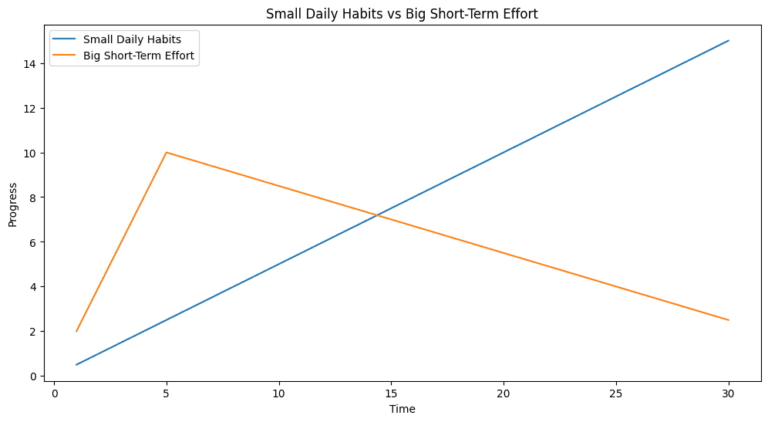
“A goal without a plan is just a wish. Start small, stay consistent, and watch your New Year’s resolutions transform into lasting achievements.”