

How to Get Rid of Athlete’s Foot: Treatments, Prevention & Products
Athlete’s foot can be itchy, irritating, and surprisingly stubborn. The good news is that many uncomplicated cases can be treated with an over-the-counter antifungal medication along with simple steps to keep your feet clean and dry.
In this guide, we’ll explain what athlete’s foot is, the symptoms to watch for, common treatment options, and practical ways to help prevent it from coming back.

What Is Athlete’s Foot?
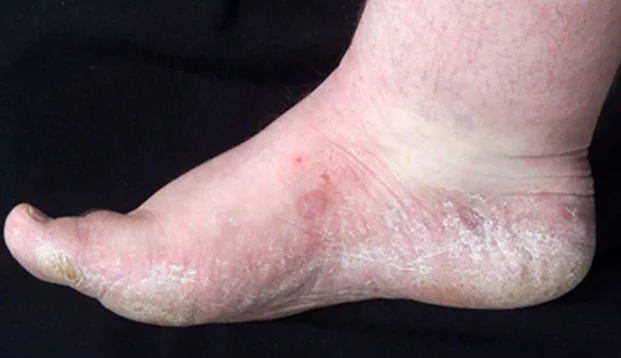
Athlete’s foot, also called tinea pedis, is a fungal infection of the skin. It commonly starts between the toes and can also affect the soles and sides of the feet. Fungi thrive in warm, damp environments, including sweaty shoes, socks, locker rooms, and communal showers.
Common symptoms include:
- Itching or burning, especially between the toes
- Peeling or scaling skin
- Cracked or dry skin
- Redness or irritation
- Blisters in some cases
- Burning or stinging
- Dry, scaly skin on the bottom or sides of the foot
Learn more about athlete’s foot from Mayo Clinic
Best Treatments for Athlete’s Foot
For many uncomplicated cases, over-the-counter antifungal medications are commonly used. Depending on the product, active ingredients may include terbinafine, clotrimazole, miconazole, or tolnaftate.
Always read and follow the product label. Different antifungal products have different directions for use and treatment lengths.
Antifungal Creams and Ointments
Antifungal creams are one of the most common treatment options for athlete’s foot. When comparing products, look at the active ingredient on the label rather than choosing solely by brand name.


How to Apply Antifungal Cream
Clean and thoroughly dry the affected area before applying the product. Follow the manufacturer's directions regarding how much to use and how often to apply it. Pay particular attention to the spaces between the toes, where moisture can remain trapped.
Antifungal Powders and Sprays
If your feet sweat heavily or you spend much of the day wearing closed shoes, keeping your feet dry can be an important part of foot care. Some antifungal powders and sprays contain active antifungal ingredients and can also help manage moisture.


Foot Soaks and Foot Care Products
A foot soak may feel soothing, but it should not be considered a replacement for an appropriate antifungal medication when you have an active fungal infection. If you use a soak, dry your feet completely afterward, especially between the toes.

Tea Tree, Eucalyptus & Other Essential Oils
You may see foot-care products marketed with tea tree oil, eucalyptus oil, or lavender oil. These ingredients have been studied for antifungal properties, but they should not automatically be treated as substitutes for established antifungal medicines.
If you choose an essential-oil product, follow its directions carefully and stop using it if it causes irritation.


Foot Washes and Soaps
Regular foot hygiene is important. Wash your feet and dry them thoroughly, especially between your toes. Foot washes can be part of your routine, but they should not replace an antifungal medication when one is needed.

How to Prevent Athlete’s Foot From Coming Back
Treatment is only part of the solution. Keeping your feet dry and reducing exposure to contaminated surfaces can help lower the chance of recurrence.
Keep Your Feet Dry
Wash your feet regularly and dry them completely. Pay special attention to the spaces between your toes. Change socks at least daily, or more often if your feet become sweaty.
Rotate Your Shoes
Give shoes time to dry between uses. Rotating pairs can help reduce the amount of moisture that remains inside your footwear.
Protect Your Feet in Public Areas
Wear sandals or shower shoes around public pools, showers, locker rooms, and similar damp areas.
Don't Share Towels or Shoes
Fungi can spread through contaminated towels, shoes and other surfaces. Avoid sharing personal foot-care items.
When Should You See a Doctor?
Consider speaking with a healthcare professional if your symptoms are severe, keep coming back, or don't improve with appropriate over-the-counter treatment. Mayo Clinic also recommends medical evaluation if a rash doesn't improve after two weeks of using an over-the-counter antifungal cream.
Seek medical attention sooner if you develop significant swelling, warmth, pus, fever, or other signs of a possible bacterial infection.
If you have diabetes, it's especially important to discuss suspected athlete’s foot with a healthcare professional.
The Bottom Line
Athlete’s foot is common and treatable, but it can return if moisture and reinfection aren't addressed. An appropriate over-the-counter antifungal product, used according to its directions, can be an important part of treatment.
Keep your feet clean and dry, change damp socks, allow shoes to dry, and protect your feet in communal showers and locker rooms.

Affiliate Disclosure: Some links on this page are affiliate links. If you purchase through one of these links, we may earn a commission at no additional cost to you. This helps support ShopAlmostAnything and allows us to continue publishing useful product guides.
Medical information on this page is for general educational purposes and is not a substitute for professional medical advice, diagnosis, or treatment.


